VZU Report · 2026 · 28 pages
AEO in 2026.
The state of Answer Engine Optimization. What works, what does not, and the citation playbook the VZU team uses for its 12 brands and the operators it runs content for.
Editorial brief
What this report is, and is not.
This is a working paper, not a thought-leadership brochure. The numbers in it come from VZU's own content engine running on the Agentic OS runtime. The playbooks are the ones the VZU team uses for NetWit, Plex Dubai, Wahix, and the operators the team runs content marketing for across Canada, the UAE, and India.
The report is built around a single thesis: Answer Engine Optimization is the next layer on top of Search Engine Optimization, not a replacement. The pages that earn citations in 2026 are the same pages that earned organic traffic in 2020. The editorial discipline is what changed. The measurement framework is what changed. The way an operator plans content is what changed.
What this report is not: a list of hacks. AEO in 2026 is not a list of prompt-engineering tricks to get a model to repeat your brand name. It is an editorial discipline, a measurement framework, and a publishing cadence. The VZU team treats it like a content operation, not a growth hack.
What the report covers
Six chapters. One thesis.
Chapter 1
The shift from ranking to citation.
The decade-long arc of search, why 2026 is the inflection, and the editorial implications for any operator publishing long-form content.
Chapter 2
The citation graph.
How language models decide which sources to cite, and why the citation graph is structurally different from the link graph.
Chapter 3
Editorial cadence.
The publishing cadence the VZU content engine uses. Weekly. 1,800 words. 5 sources. 1 chart. 1 operator quote.
Chapter 4
The measurement framework.
Three metrics that matter: citation rate, citation share, citation persistence. The dashboard, the math, and the weekly review.
Chapter 5
The MENA split.
AEO in the UAE, Saudi Arabia, and Egypt is structurally different from AEO in North America. The Arabic-first citation graph is a different graph.
Chapter 6
The 2026 playbook.
The 12-step citation playbook. The 4 things to stop doing. The 3 things to start doing this quarter.
How to read this report
Three passes, in order.
- 01
Pass one: chapter one.
Read chapter one in full. The thesis is in chapter one. Everything else is the playbook, the math, and the regional split that supports the thesis. If the operator's team is time-constrained, chapter one is the single most important section of the report. It is the foundation for the editorial work the rest of the report recommends.
- 02
Pass two: chapters three, four, and six.
Skim chapter two for the citation-graph mental model, then read chapters three, four, and six in full. The cadence, the measurement framework, and the playbook are the parts the operator's team will actually use. The math, the dashboard, and the editorial templates are designed to drop into a Monday-morning content standup without modification.
- 03
Pass three: chapter five, for the regional operator.
If the operator runs content in the UAE, Saudi Arabia, or Egypt, chapter five is non-optional. The MENA citation graph is a different graph. The Arabic-first editorial discipline is a different discipline. The MENA playbook in chapter five is what the Plex Dubai team uses for the operators the team runs content marketing for across the Gulf.
From chapter one
The decade-long arc of search.
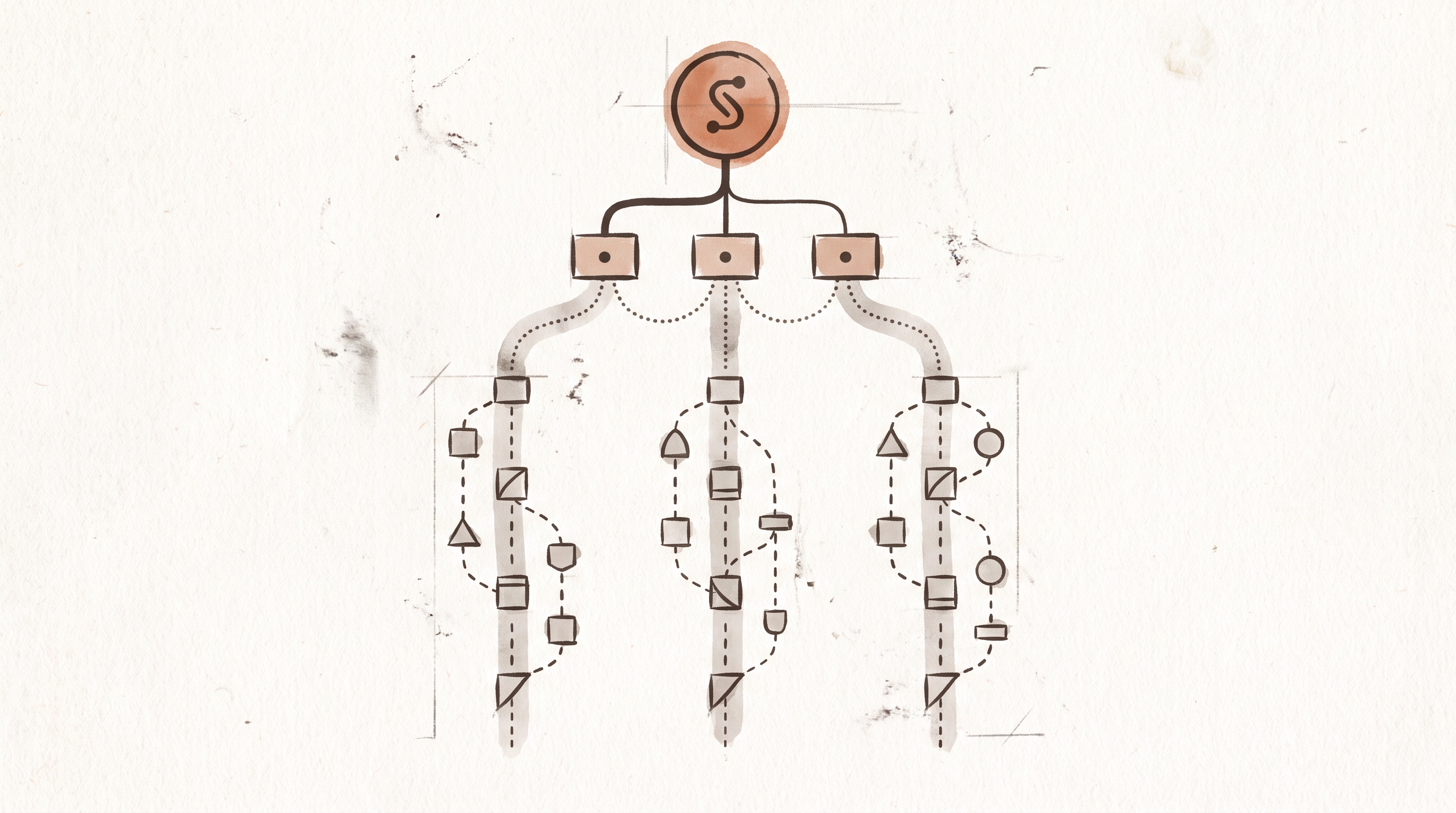
Search in 2010 was ten blue links on a white background. Search in 2020 was ten blue links plus a knowledge panel plus a featured snippet. Search in 2026 is a generated answer with citations at the bottom. The editorial work changed. The measurement framework changed. The way an operator plans content changed. The blue link is still there, but the click is going to the citation, not the link.
Questions
Frequently asked.
- What is AEO?
- Answer Engine Optimization is the discipline of earning citations inside large language model responses. It is the successor discipline to SEO for the post-search-box era. The editorial work is structured around the question a model is most likely to be asked, the answer the model is most likely to generate, and the source the model is most likely to cite.
- How is AEO different from SEO?
- SEO optimizes for rank position in a list of blue links. AEO optimizes for being cited in a generated answer. The targets are different. The measurement is different. The editorial work is different. The publishing cadence is different. The same page can win on both, but the editorial discipline behind it is not the same.
- Does AEO replace SEO?
- No. AEO sits on top of SEO. The pages that earn citations in 2026 are the same pages that earned organic traffic in 2020. AEO is the next layer, not the replacement. The blue link is still there, the click is still there, and the rank is still the upstream signal that a citation engine uses to decide whether to cite a source.
- Who is the report for?
- The report is written for the operator who runs a content team, the agency owner who runs content for multiple operators, and the founder who is about to hire the first content hire. It assumes the reader has shipped SEO work before. It does not assume the reader has shipped AEO work before.
- Is this a PDF or a web report?
- Both. The full 28-page report is available as a PDF on request. The web version of the report is published chapter by chapter on the VZU Insights index. The PDF is the artifact. The web version is the working draft that the VZU team updates as the citation graph shifts through 2026.
Next step
Get the full AEO 2026 report.
Email the VZU team. The PDF, the dashboard templates, and the editorial cadence templates come together. Reply in one business day.