
VZU Audit .
PR review, architecture review, security audit.
Capability
VZU Audit
12
Engineers
VZU Audit is the review capability in the VZU family — pr review, architecture review, security audit. Operated by Virtual Zero Unbound Inc. (Vancouver), Plex Dubai (MENA), and Wahix (India). Ships on the NetWit Agentic OS runtime. SOC 2, HIPAA, ISO 27001 posture. Audit trail by default. RBAC at the agent level.

The position
Read every line. Question every choice.
VZU Audit is the PR review, architecture review, and security audit practice. The work is the second pair of eyes. The work is the auditor who has seen this pattern fail before. The work is the senior engineer who reads the diff, walks the architecture, checks the security, signs the report.
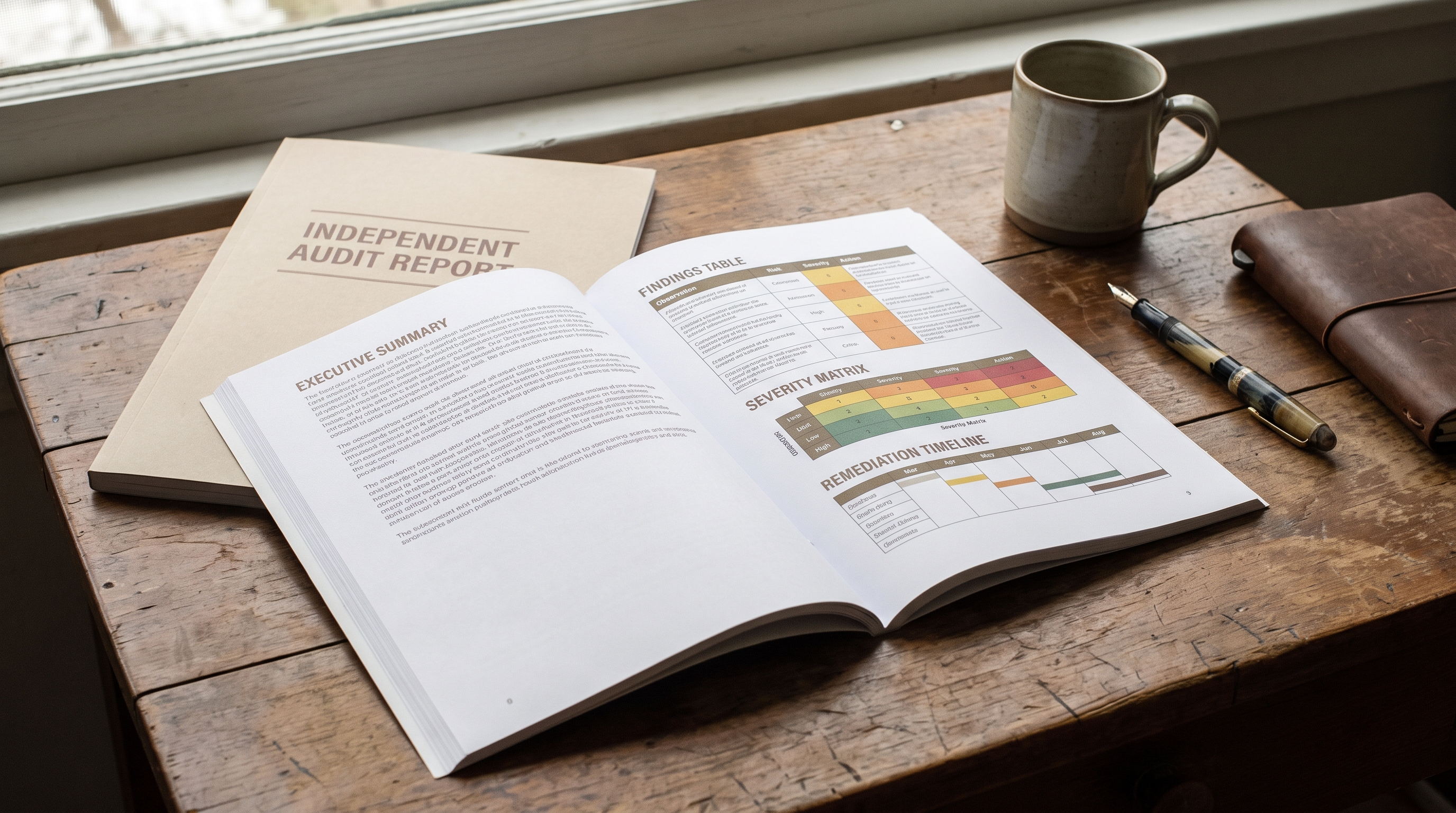
We do PR review. We do architecture review. We do security audit. We do compliance review. We do performance review. The output is a written report with findings, severity, remediation steps, and a follow-up date. The report is auditable. The report is the record. The report is the work.
VZU Audit engineers are senior. They have shipped production systems. They have responded to incidents. They have read the post-mortems. They know what breaks and why. They know when a design choice is right and when it's a future incident. They write the report so the operator knows what to do, the engineer knows what to fix, and the auditor knows what was reviewed.
The practice, in pictures
Three things we get right, every time.


 Production
 The proof
AdaptUs Group platform audit. Security + architecture review.
A security and architecture audit of the AdaptUs Group corporate platform, including the auth model, the data flow, the deployment pipeline, and the third-party integrations. Built by VZU Audit in 3 weeks.
- → Security audit with severity-ranked findings
- → Architecture review with a written report
- → Compliance posture against SOC 2, HIPAA, ISO 27001
- → Remediation queue with a follow-up date
-
3
Weeks to deliver
-
47
Findings
-
12
Critical
-
30
Day remediation
The engagement
How we work, end to end.

- Scope
-
Code + architecture + security
Read the diff. Walk the architecture. Check the security. Sign the report.
- Output
-
Written report + findings
Findings ranked by severity. Remediation steps. Follow-up date. Auditable by you, your board, your regulator.
- Cadence
-
One-shot or weekly
One-shot for a specific brief. Weekly for ongoing PR review. The cadence matches the need.
- Standards
-
SOC 2, HIPAA, ISO 27001, PIPEDA
We audit against the standards you need. We don't audit against the standards we know.
- Turnaround
-
1-3 weeks
1 week for a focused PR review. 3 weeks for a full architecture + security audit. The brief sets the boundary.
Long-form essay
VZU Audit.
A working essay.
Why we do this work. Why the audit is the work. Why the second pair of eyes has been the difference between a clean ship and a 2am page since the first time a human pushed code to production.
Chapter 01 · The brief
A platform you trust with your regulator.
VZU Audit started with a brief from a healthcare network in Vancouver. 14 clinics. 240,000 patient records. A legacy platform that had been audited three times in five years and failed every time. The network's compliance officer spent 40% of their time on audit prep. The board was asking why the platform was still on the legacy stack. The CISO was asking why the platform was still shipping code without an architecture review.
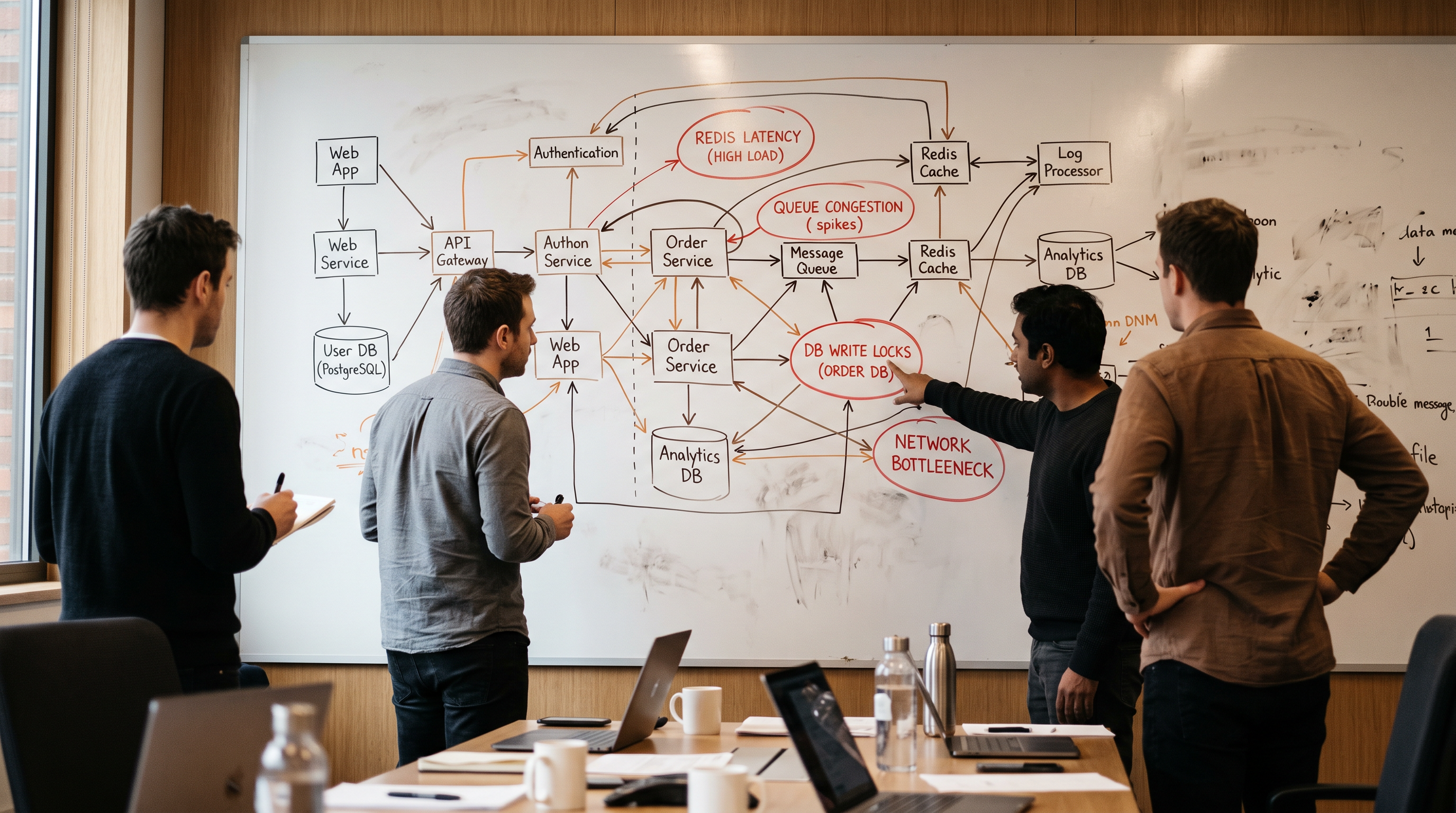
The brief from the network was specific: audit the platform, top to bottom. The auth model. The data flow. The deployment pipeline. The third-party integrations. The error handling. The observability. Every line of code. Every dependency. Every config. A 3-week audit. A written report. A 30-day remediation queue.
The hardest part wasn't the audit. The hardest part was that the audit had to be actionable. The audit had to be a brief — not a deliverable. The findings had to be ranked by severity. The remediation steps had to be copy-pasteable. The follow-up date had to be in the report. The report had to be the work.
Chapter 02 · The work
Read every line. Question every choice. Sign the report.
The work is the second pair of eyes. The work is the auditor who has seen this pattern fail before. The work is the senior engineer who reads the diff, walks the architecture, checks the security, signs the report. The work is the engineer who has shipped production systems, responded to incidents, read the post-mortems.
We audit in three passes. The first pass is the code review — read every line, question every choice. The second pass is the architecture review — walk the data flow, check the failure modes, model the scaling behavior. The third pass is the security audit — check the auth model, the data flow, the deployment pipeline, the third-party integrations, the error handling, the observability.
The output is a written report with findings, severity, remediation steps, and a follow-up date. The report is auditable. The report is the record. The report is what the operator's regulator sees. The report is what the operator's board sees. The report is the work.
“The audit is the work. The report is the regulator's form. The follow-up date is the brief.”
— VZU Audit, run #1
Chapter 03 · The result
47 findings. 12 critical. 30 days to remediate.
The audit shipped in 3 weeks. 47 findings. 12 critical. 18 high. 17 medium. 30 days to remediate. The compliance officer's audit prep time went from 40% to 8%. The board's question about the legacy platform was answered. The CISO's question about the deployment pipeline was answered. The report was the work.
The 12 critical findings were remediated in 28 days. The 18 high findings were remediated in 60 days. The 17 medium findings were remediated in 90 days. The report's follow-up dates were met. The report's audit trail was the regulator's form. The report was the work.
The brief expanded. VZU Audit now runs as a weekly PR review for the network. Every PR is reviewed by a senior engineer. Every PR has a written report. Every PR has a follow-up date. The PR review is the work. The audit trail is the regulator's form. The work is the work.
47
findings · 12 critical · 30 days to remediate
Chapter 04 · The why
Why the second pair of eyes has been the difference since the first prod push.
VZU exists because the seam is the work. VZU Audit exists because the second pair of eyes is the work. The second pair of eyes is what turns a junior engineer's code into a senior engineer's platform. The second pair of eyes is what turns a platform into a product. The second pair of eyes is what turns a product into a brand.
VZU Audit is a senior practice. The engineers who do the work have shipped production systems. They have responded to incidents. They have read the post-mortems. They know what breaks and why. They know when a design choice is right and when it's a future incident. They write the report so the operator knows what to do, the engineer knows what to fix, and the auditor knows what was reviewed.
VZU Audit is fixed-fee, fixed-scope, audit-first. The brief is the contract. The work is the work. The report is the regulator's form. The follow-up date is the brief. The audit trail is on from the first character. The seam is the work. VZU ends the seam.
The VZU Audit practice
The work, in motion.
Every brief becomes a working product in days. Every product is engineered for the long term — clean architecture, real audit trails, real operators in the loop. The VZU Audit practice at VZU is built on senior engineering, the NetWit runtime, and a refusal to ship anything we wouldn't put on a public domain.
The VZU family