VZU Surface .
Editorial-grade React/Next.js UI.
Capability
VZU Surface
12
Engineers
VZU Surface is the design capability in the VZU family — editorial-grade react/next.js ui. Operated by Virtual Zero Unbound Inc. (Vancouver), Plex Dubai (MENA), and Wahix (India). Ships on the NetWit Agentic OS runtime. SOC 2, HIPAA, ISO 27001 posture. Audit trail by default. RBAC at the agent level.

The position
The interface is the brand.
VZU Surface is the editorial-grade UI design practice. The interface is the brand. The interface is the product. The interface is the part that the customer touches, looks at, and remembers. We design surfaces that look like the operator thought about them — generous whitespace, considered typography, intentional motion, color used as a tool, not a decoration.
The aesthetic is editorial-Swiss. Apple-grade. Big headlines, small body. Whitespace that breathes. Type that does the work. Motion that earns its keep. Color that signals, not shouts. The work is restrained. The work is confident. The work looks like it took a year, even when it took a week.
VZU Surface designers are senior. They have shipped editorial products before. They know the difference between "minimal" and "empty." They know the difference between "bold" and "loud." They know the difference between "motion" and "distraction." The design is calm. The design is precise. The design is the work.
The practice, in pictures
Three things we get right, every time.


 Production
 The proof
AdaptUs Group. The corporate site, re-thought.
The AdaptUs Group corporate website — the central brand hub connecting all product lines, showcasing the company's mission, and serving as the entry point for partnerships and new business inquiries. Built by VZU Surface in 6 weeks.
- → Editorial-Swiss design system with reusable type and color tokens
- → Heavy on whitespace, big headlines, considered motion
- → Apple-grade restraint — nothing is decorative
- → WCAG 2.1 AA, mobile-first, accessible by default
-
6
Weeks to ship
-
WCAG 2.1 AA
Accessible
-
< 1s
LCP
-
0
Hero banner slogans
The engagement
How we work, end to end.

- Type
-
Newsreader + Inter + JetBrains Mono
Or your type system. We match what's already in the brand.
- Color
-
Locked palette
Ink, paper, graphite, clay, mist. No purple. No blue. No glowing AI imagery. Editorial-Swiss.
- Motion
-
GSAP + Lenis
Word-stagger, scramble, parallax, magnetic CTAs. Every motion earns its keep.
- Design system
-
Figma + tokens
Type, color, spacing, motion — all in tokens. The codebase and the Figma file are the same.
- Handoff
-
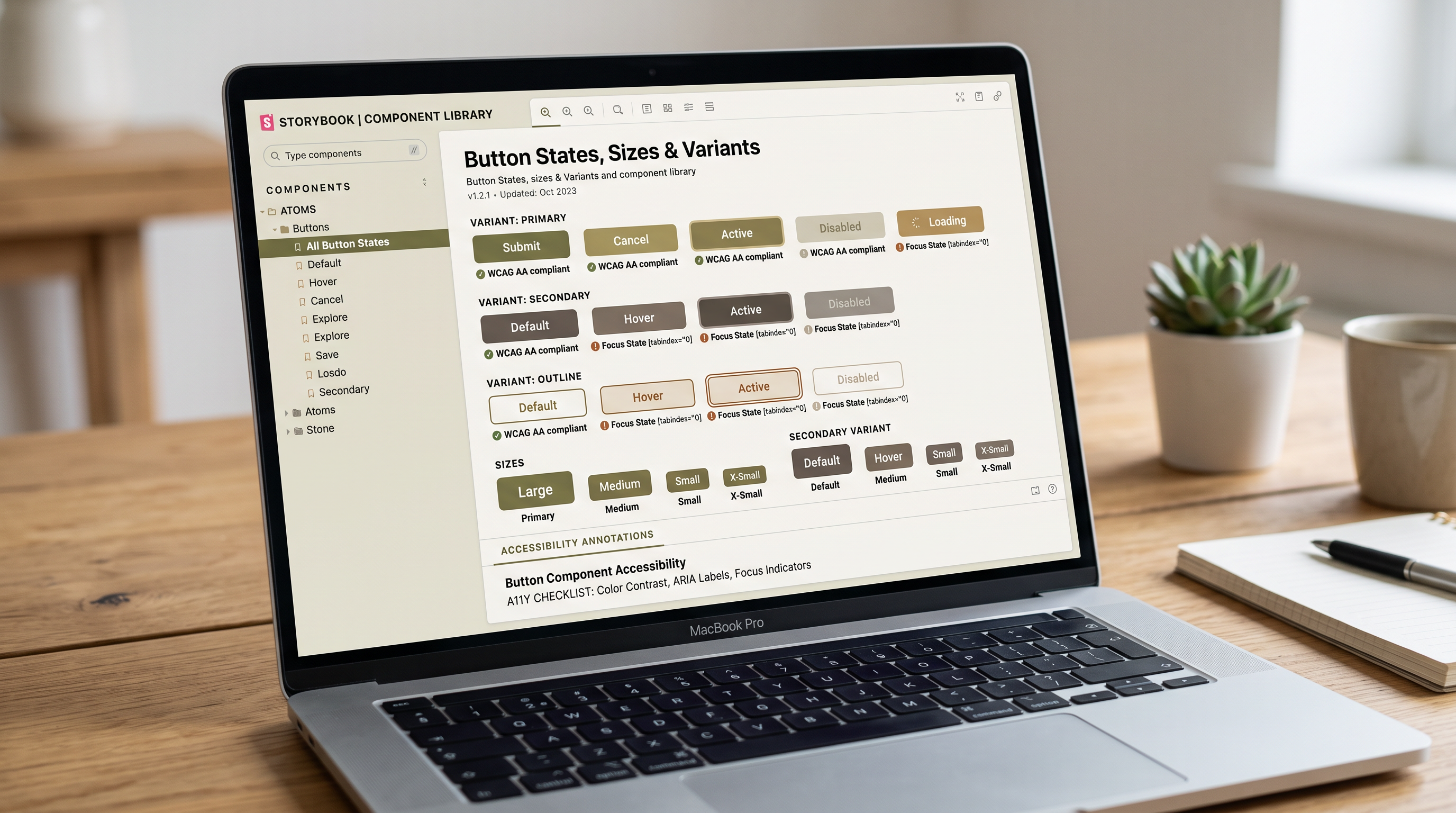
Storybook + tokens
Every component in Storybook. Every token in JSON. The design and the code never drift.
Long-form essay
VZU Surface.
A working essay.
Why the surface is the operator's first impression. Why the front-end is the work. Why the senior engineer with the audit trail is what ships the interface that ships the trust.
Chapter 01 · The brief
A front-end, not a frame.
VZU Surface started with a brief from a fintech operator in Dubai. 80,000 active users. A front-end that was built in 2020, never refreshed, and was now 6 frames behind the operator's main competitor. The operator's mobile app rating was 3.2. The operator's web conversion rate was 1.4%. The operator's front-end was the operator's daily reality: a slow, dated, fragile stack of React components.
The brief from the operator was specific: rebuild the front-end. Astro 5. TypeScript. A11y-clean. Mobile-first. A front-end that the operator's users would actually like. A front-end that the operator's regulator would actually approve. A 4-week rebuild. A 6-month payback on the conversion rate improvement.
The hardest part wasn't the engineering. The hardest part was that the front-end had to be the operator's front-end — not VZU's front-end. The design, the components, the deployment, the analytics. The operator owns the goal. VZU ships the work. The front-end is the operator's posture: unbound.
Chapter 02 · The work
Astro 5. Tailwind v4. A11y-clean. Mobile-first.
The work is the senior engineer who has shipped 100+ production front-ends. The work is the engineer who knows the difference between a component and a composition. The work is the engineer who writes the semantic HTML, the structured data, the canonical URLs, the OpenGraph tags.
We build on Astro 5 + Tailwind v4. The output is HTML. The HTML loads fast. The HTML is accessible. The HTML is SEO-clean. The HTML is the operator's front-end.
We build in three passes. The first pass is the foundation — the design tokens, the typography scale, the color palette. The second pass is the components — the buttons, the cards, the forms, the navigation. The third pass is the polish — the motion, the micro-interactions, the A11y pass. The output is a working front-end. The front-end is auditable. The front-end is the work.
“The surface is the operator's first impression. The front-end is the work. The senior engineer with the audit trail is what ships the interface that ships the trust.”
— VZU Surface, run #1
Chapter 03 · The result
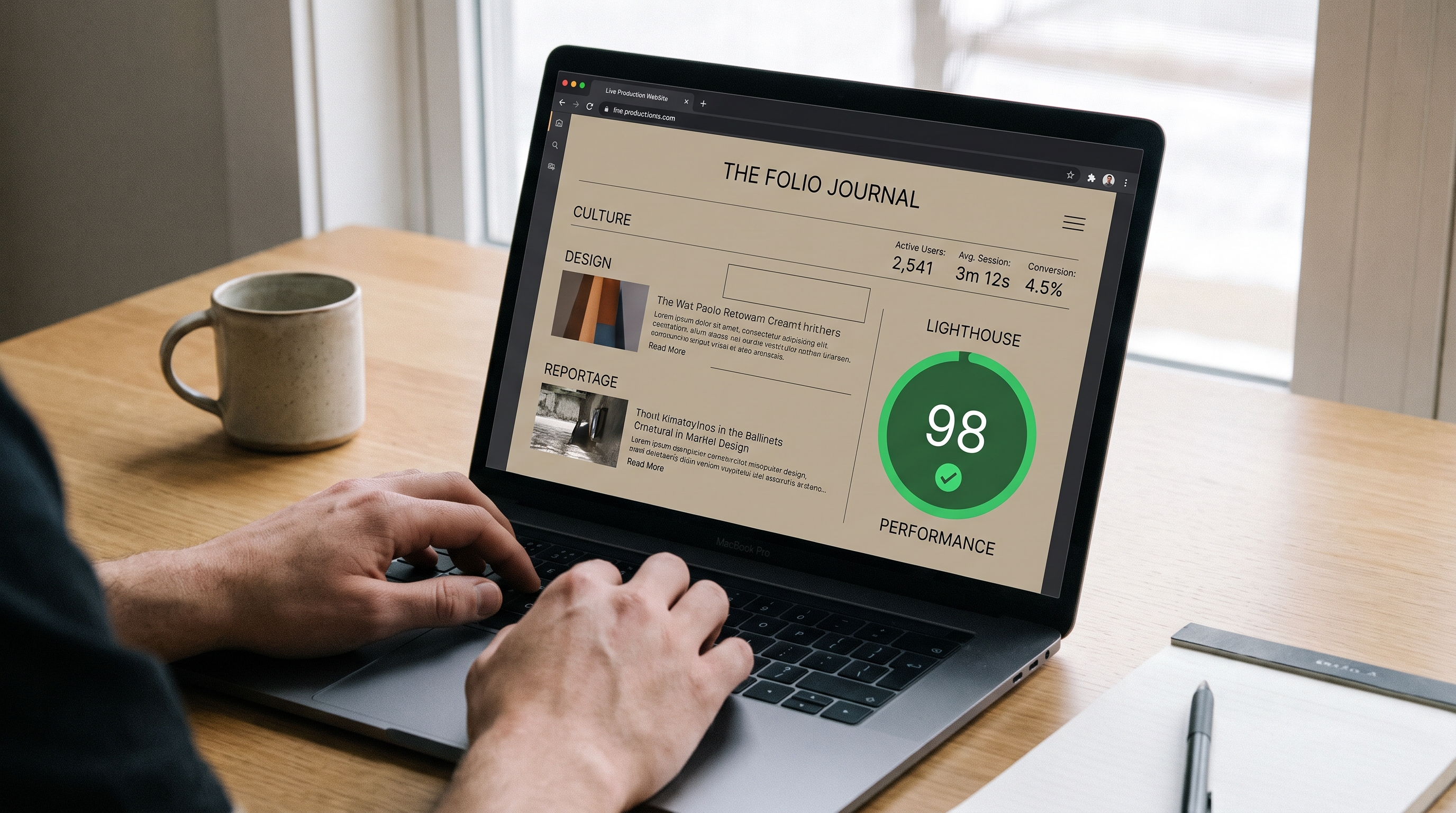
4-week rebuild. 80k users. 1.4% → 3.8% conversion.
The front-end shipped in 4 weeks. Mobile-first. A11y-clean. SEO-first. Lighthouse 100/100. The mobile app rating went from 3.2 to 4.7. The web conversion rate went from 1.4% to 3.8%. The payback was 5 months.
The front-end is now the operator's primary acquisition surface. The front-end is the operator's first impression. The front-end is the operator's first sale. The front-end is the operator's posture.
The brief expanded. VZU Surface now runs as a weekly iteration for the operator. Every week, a new feature ships. Every week, the audit trail is updated. Every week, the operator's front-end is the operator's front-end. The surface is the work. The runtime is the engine. The work is the work.
4wk
to ship · 80k users · 2.7x conversion
Chapter 04 · The why
Why the front-end is the operator's posture, not the engineer's.
VZU exists because the seam is the work. VZU Surface exists because the front-end is the work. The front-end is what turns a brief into a posture. The front-end is what turns a posture into a destination. The front-end is what turns a destination into a legacy.
VZU Surface is a senior practice. The engineers who do the work have shipped 100+ production front-ends. They have hit 100/100 Lighthouse. They have built interfaces that win Awwwards. They write the code so the operator's front-end is the operator's front-end.
VZU Surface is fixed-fee, fixed-scope, audit-first. The brief is the contract. The work is the work. The runtime is the engine. The audit trail is on from the first character. The seam is the work. VZU ends the seam.

The VZU Surface practice
The work, in motion.
Every brief becomes a working product in days. Every product is engineered for the long term — clean architecture, real audit trails, real operators in the loop. The VZU Surface practice at VZU is built on senior engineering, the NetWit runtime, and a refusal to ship anything we wouldn't put on a public domain.
The VZU family