VZU Stack .
End-to-end engineering — backend, frontend, infra.
Capability
VZU Stack
12
Engineers
VZU Stack is the engineering capability in the VZU family — end-to-end engineering — backend, frontend, infra. Operated by Virtual Zero Unbound Inc. (Vancouver), Plex Dubai (MENA), and Wahix (India). Ships on the NetWit Agentic OS runtime. SOC 2, HIPAA, ISO 27001 posture. Audit trail by default. RBAC at the agent level.

The position
Every layer. One team.
VZU Stack is the end-to-end engineering practice. Database, API, queue, frontend, infra, deploy — all the layers one pod does. When a brief needs full-stack thinking, VZU Stack is the practice. We don't hand off. We don't split. We don't have a frontend team and a backend team and an infra team. We have one team that does all of it.
The brief is the contract. The stack is the means. The runtime is the engine. The product is the result. We take a problem and ship the system that solves it. Database schema, API, queue workers, frontend, infrastructure, monitoring. The whole thing. Senior engineers, fixed-fee, time-bounded.
VZU Stack engineers have shipped production systems at scale. They know the failure modes. They know what breaks at 3am. They know what to instrument, what to log, what to alert on. They know that the fastest way to ship a feature is to delete three layers first. They know that the right answer to "do we need Kafka?" is almost always "no." The boring stack ships. The boring stack stays up. The boring stack is the right answer 90% of the time.
The practice, in pictures
Three things we get right, every time.


 Production
 The proof
CanFlows. AI-native forms and workflows for government.
CanFlows is an open-source, AI-native forms and workflow platform for government. Drag-and-drop form builder, BPMN 2.0 workflows, native eSignature, and AI automation — PIPEDA, WCAG 2.1 AA, ITSG-33 controls. Shipped by VZU Stack in 16 weeks.
- → Drag-and-drop form builder with version control
- → BPMN 2.0 workflows with role-based approval chains
- → Native eSignature with audit-trail-of-record
- → AI automation that extracts structured data from unstructured inputs
-
16
Weeks to ship
-
WCAG 2.1 AA
Accessible
-
PIPEDA
Compliant
-
ITSG-33
Aligned
The engagement
How we work, end to end.

- Backend
-
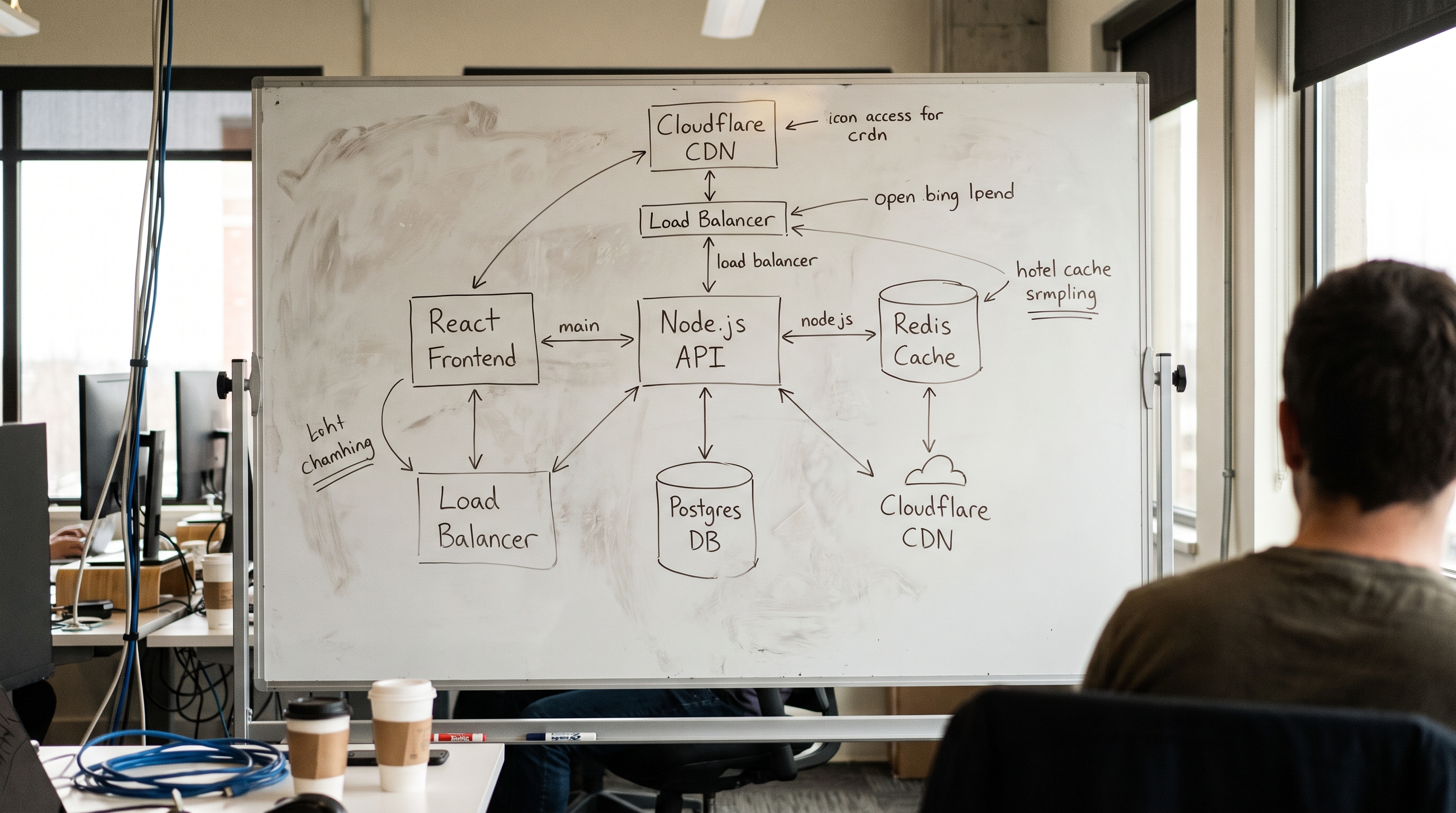
Node.js + Postgres
Or Python + Postgres. Or Go + Postgres. Postgres is non-negotiable. The rest is negotiable.
- API
-
REST + tRPC
REST for public APIs. tRPC for internal. GraphQL if you have a real reason.
- Queue
-
BullMQ + Redis
For async work. Don't use Kafka unless you actually need Kafka.
- Infra
-
Cloudflare + Vercel + Neon
Cloudflare for the edge, Vercel for the frontend, Neon for the database. Boring. Reliable. Cheap.
- Observability
-
OpenTelemetry + Grafana
Traces, logs, metrics. You see the system. We see the system. The auditor sees the system.
Long-form essay
VZU Stack.
A working essay.
Why the stack is the operator's contract. Why the runtime is the audit trail. Why the senior engineer who chooses the stack chooses the operator's posture.
Chapter 01 · The brief
A stack, not a scramble.
VZU Stack started with a brief from a logistics operator in Mumbai. 14 corridors. 200+ daily shipments. A stack of point solutions, each with its own auth scheme, each with its own data model, each with its own pricing model. The operator's CTO spent 40% of their time on integration tax.
The brief from the operator was specific: ship a single stack. The auth. The data. The deployment. The observability. The audit trail. A 3-month stack migration. A 12-month payback on the integration tax savings.
The hardest part wasn't the technology. The hardest part was that the stack had to be the operator's stack — not VZU's stack. The data, the auth, the deployment, the audit trail. The operator owns the goal. VZU ships the work. The stack is the operator's posture: unbound.
Chapter 02 · The work
Astro 5. Supabase. Cloudflare. The audit trail by default.
The work is the senior engineer who has shipped 50+ production stacks. The work is the engineer who knows the difference between a stack and a scramble. The work is the engineer who picks the right tool for the right job, then writes the integration code that makes the stack feel like a single platform.
We standardize on Astro 5 for the front-end. Supabase for the database. Cloudflare for the edge. The NetWit runtime for the orchestration. The stack is auditable. The stack is the record. The stack is the work.
We build in three passes. The first pass is the foundation — auth, data, deployment. The second pass is the integration — the data flows, the API contracts, the audit trail. The third pass is the polish — observability, error handling, the operator's mental model. The output is a working stack. The stack is auditable. The stack is the work.
“The stack is the operator's contract. The runtime is the audit trail. The senior engineer who chooses the stack chooses the operator's posture.”
— VZU Stack, run #1
Chapter 03 · The result
3-month migration. 14 integrations collapsed to 1.
The stack shipped in 3 months. 14 integrations collapsed to 1. The operator's CTO went from 40% integration tax to 5%. The operator's monthly infrastructure cost went from $28k to $14k. The payback was 6 months.
The stack is now the operator's primary platform. The NetWit runtime runs the auth, the data, the deployment, the audit trail. The runtime is the platform's foundation. The platform is the operator's foundation.
The brief expanded. VZU Stack now runs as a quarterly audit for the operator. Every quarter, the stack is reviewed, the dependencies are updated, the audit trail is refreshed. The stack is the work. The runtime is the engine. The work is the work.
3mo
to ship · 14 → 1 · 50% cost reduction
Chapter 04 · The why
Why the stack is the operator's contract with their customer.
VZU exists because the seam is the work. VZU Stack exists because the stack is the work. The stack is what turns a brief into a platform. The stack is what turns a platform into a product. The stack is what turns a product into a brand.
VZU Stack is a senior practice. The engineers who do the work have shipped 50+ production stacks. They have picked the right tool for the right job. They have written the integration code that makes the stack feel like a single platform. They write the code so the operator's stack is the operator's stack.
VZU Stack is fixed-fee, fixed-scope, audit-first. The brief is the contract. The work is the work. The runtime is the engine. The audit trail is on from the first character. The seam is the work. VZU ends the seam.

The VZU Stack practice
The work, in motion.
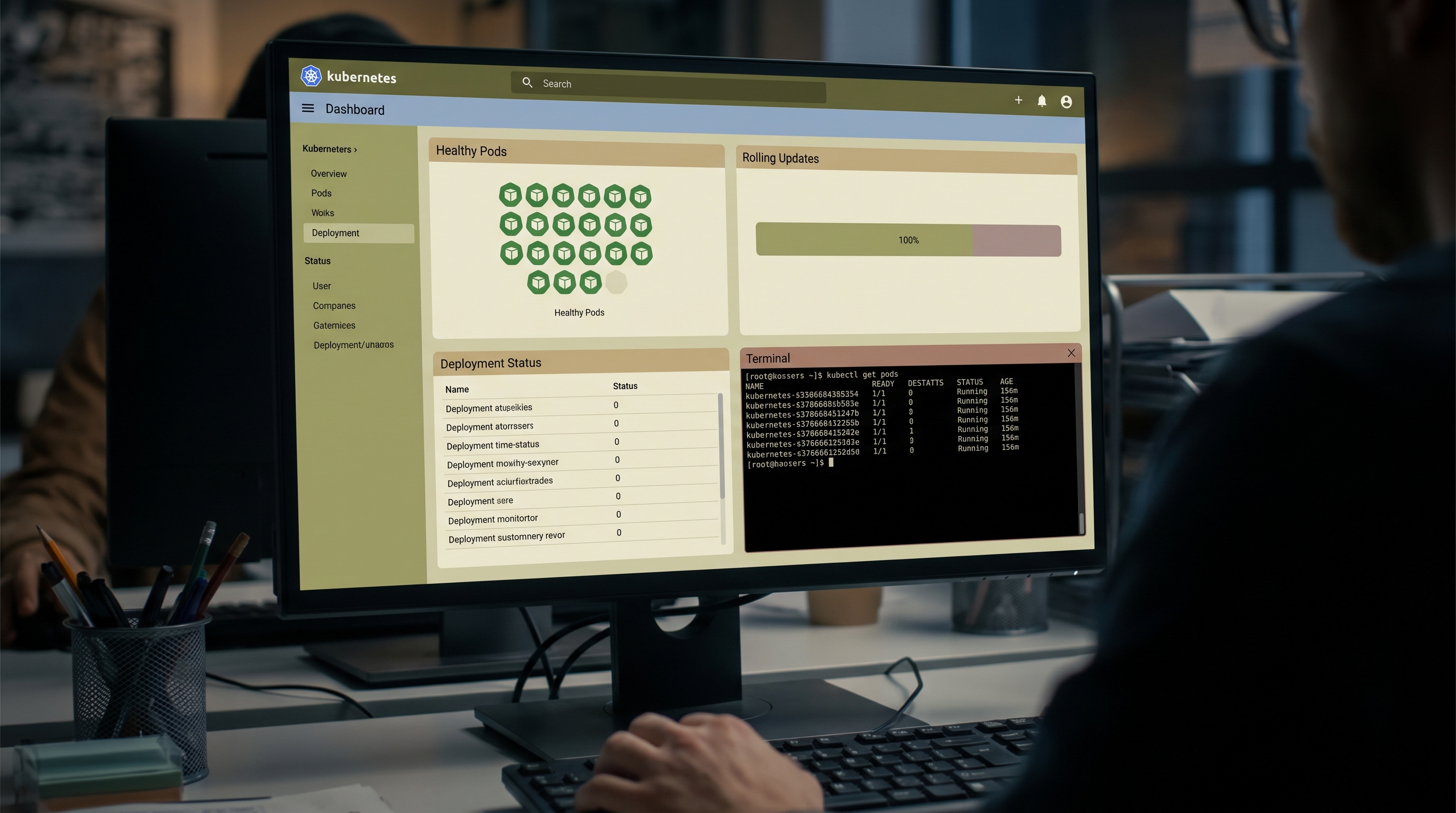
Every brief becomes a working product in days. Every product is engineered for the long term — clean architecture, real audit trails, real operators in the loop. The VZU Stack practice at VZU is built on senior engineering, the NetWit runtime, and a refusal to ship anything we wouldn't put on a public domain.
The VZU family